
Trading
Dragon Adventures trading guide — dragon values, fair trade etiquette, how to spot scams and how to grow your collection through smart trades.
Introduction
Trading is where Dragon Adventures becomes a living economy. Players trade dragons, eggs, potions, plushies and accessories in the trading hub, and the value of every item is set by community consensus rather than the game itself. This makes trading both the fastest way to grow your collection and the easiest way to lose it — a fair trade can double your collection's value, while a bad one can cost you a dragon you raised for weeks. This category covers the value system, trade etiquette, scam patterns and the strategies that let you trade up over time. Whether you are making your first trade or hunting a legendary, the trading guides give you the knowledge to deal fairly and profitably.
Dragon Value Tiers Quick Reference
| Value Tier | Examples | Trade Notes |
|---|---|---|
| Top | Veidreki, event legends | Highest demand, trade for collections |
| High | Event dragons, rare traits | Strong demand, check value list |
| Mid | World rares, good colors | Steady demand, easy to trade |
| Low | Common starters | Low value, best for new players |
Trading Strategies
Value List
The community-maintained price guide for every dragon and item
Trade Etiquette
The unwritten rules that keep the trading hub fair
Scam Patterns
The warning signs that protect your collection
Trade Ups
The strategy of growing value through a series of fair trades
Core Mechanics
Trading in Dragon Adventures works through the trading hub, where players offer dragons, eggs and items to each other. Every trade is a direct exchange: both sides add their offers, review the deal, and accept or decline. The value of each item is set by community consensus, tracked in value lists that players maintain and update as the meta shifts. Event exclusives and legendary species hold the highest value, while common starters are worth little more than their egg cost. Potions, plushies and accessories also trade for dragon value, which means a well-stocked inventory is a trading asset. Because values move with updates and events, checking the current value list before every trade is the single most important habit in the trading game.
Advantages
Trading is the fastest way to grow a collection without spending coins on random eggs. A single good trade can replace weeks of hatching, and skilled traders compound their gains: buy low, trade up, and repeat. The value system also rewards knowledge — players who understand which traits, colors and items are in demand can spot undervalued dragons and profit from the gap. Trading is also the only way to obtain old event dragons after their events end, since event eggs disappear when the window closes. For collectors, the trading hub is where the game's rarest dragons change hands, and the trading guides teach you to participate without getting burned.
Challenges
Trading carries real risk. The value system is community-maintained, so values can be wrong, outdated or manipulated — a dragon listed as high value may not find a buyer, and a common dragon can be overpriced by a seller hoping you do not check. Scams are the biggest danger: fake trades, value misrepresentation and pressure tactics all exist in the hub. Finally, trading takes time and attention; a distracted trader can accept a bad deal in seconds. The trading guides teach the warning signs and the habits that protect you, but the ultimate safeguard is your own discipline — always check values, always review the trade, and never trade under pressure.
Frequently Asked Questions
How do I trade in Dragon Adventures?+
How much is Veidreki worth?+
How do I avoid trading scams?+
What is a fair trade in Dragon Adventures?+
Quick Tips
Check the value list before every trade, even small ones. Values move with updates and events, and a dragon that was worth a fortune last month may be worth a fraction now. The few seconds it takes to check can save you a bad deal. Bookmark the value list and check it on your phone before opening a trade, because the few seconds it takes can save you a dragon you spent weeks raising.
Never trade under pressure. Scammers rush deals so you do not read the offer. If someone is pushing you to accept quickly, that is a warning sign — take your time, verify both sides, and walk away if anything feels off. If someone is pushing you to accept quickly, that is a warning sign — take your time, verify both sides, and walk away if anything feels off.
Trade up in small steps. Instead of chasing one big trade, make a series of fair trades that each improve your position slightly. Small consistent gains compound faster than risky swings, and they are far safer. Track your trades in a simple list so you can see your collection's value growing, which keeps the patience required for trade-ups from feeling like stagnation.
Know what is in demand before you trade. Event dragons, rare traits and popular colors move fast; niche items sit. The trading guide tracks current demand so you can buy what is undervalued and sell what is hot. Watch the events calendar for demand spikes, because event dragons and their related items become hot commodities the moment their event is announced.
Featured

Dragon Adventures Trading Guide: Values, List & How to Trade
Start swapping smarter with this Dragon Adventures trading guide covering 2026 values, a full dragon list, and how to send fair offers every time.
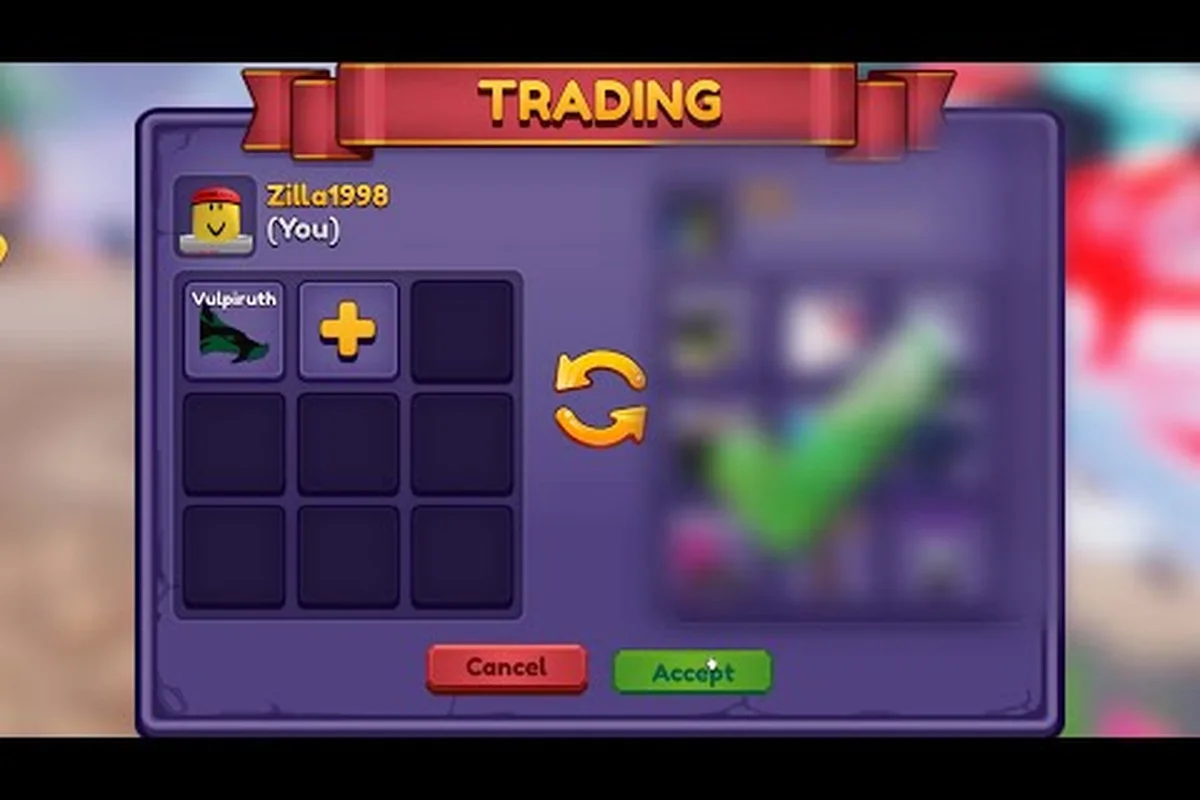
Dragon Adventures Fair Trade: Value Calculator Guide
Judge any swap with this Dragon Adventures fair trade calculator, value breakdowns, and current worth for Veidreki, Kostragula, and other top legends.

Dragon Adventures How Much Is Contotoro Worth: Value & Trades
Find out Dragon Adventures how much is Contotoro worth, compare legendary and event dragon values, and pick the best trades for maximum profit.
All Articles
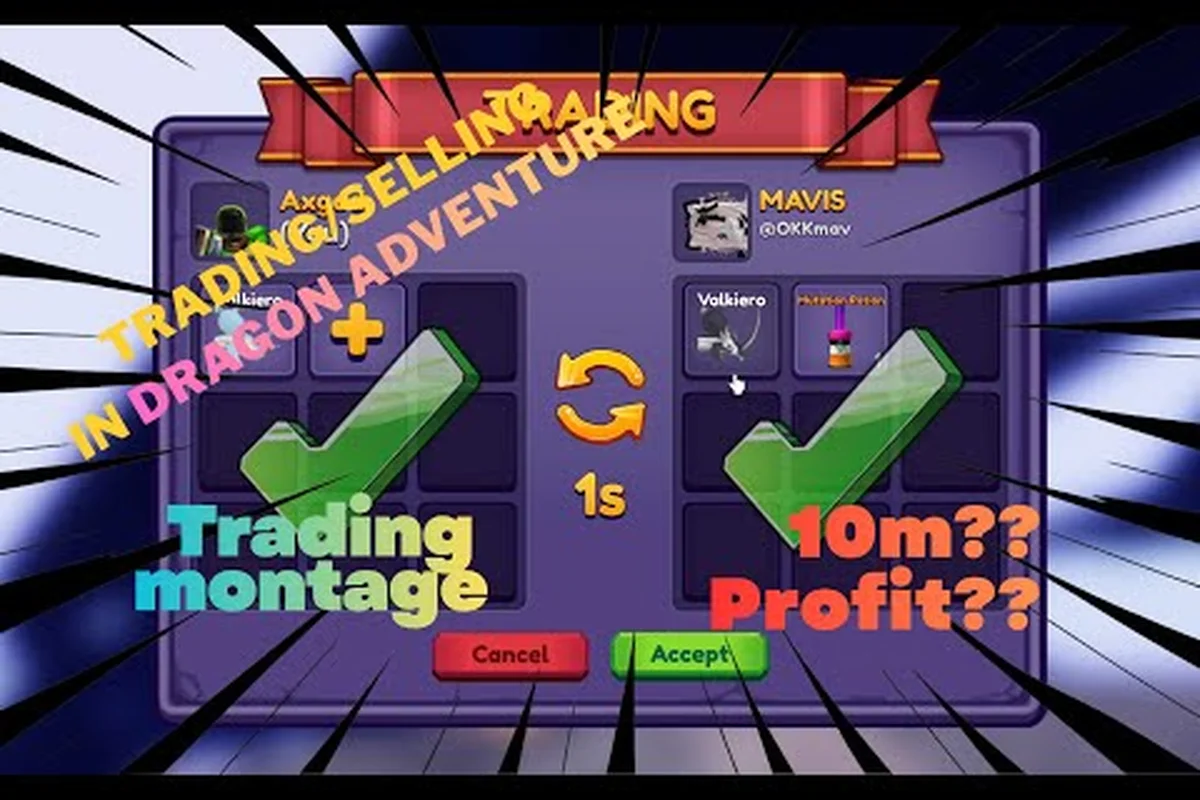
Dragon Adventures How to Accept Trade: Levels, Cooldowns & Hub
Learn Dragon Adventures how to accept trade with the level rules, cooldown timers, and trading hub steps that make every offer close without errors.
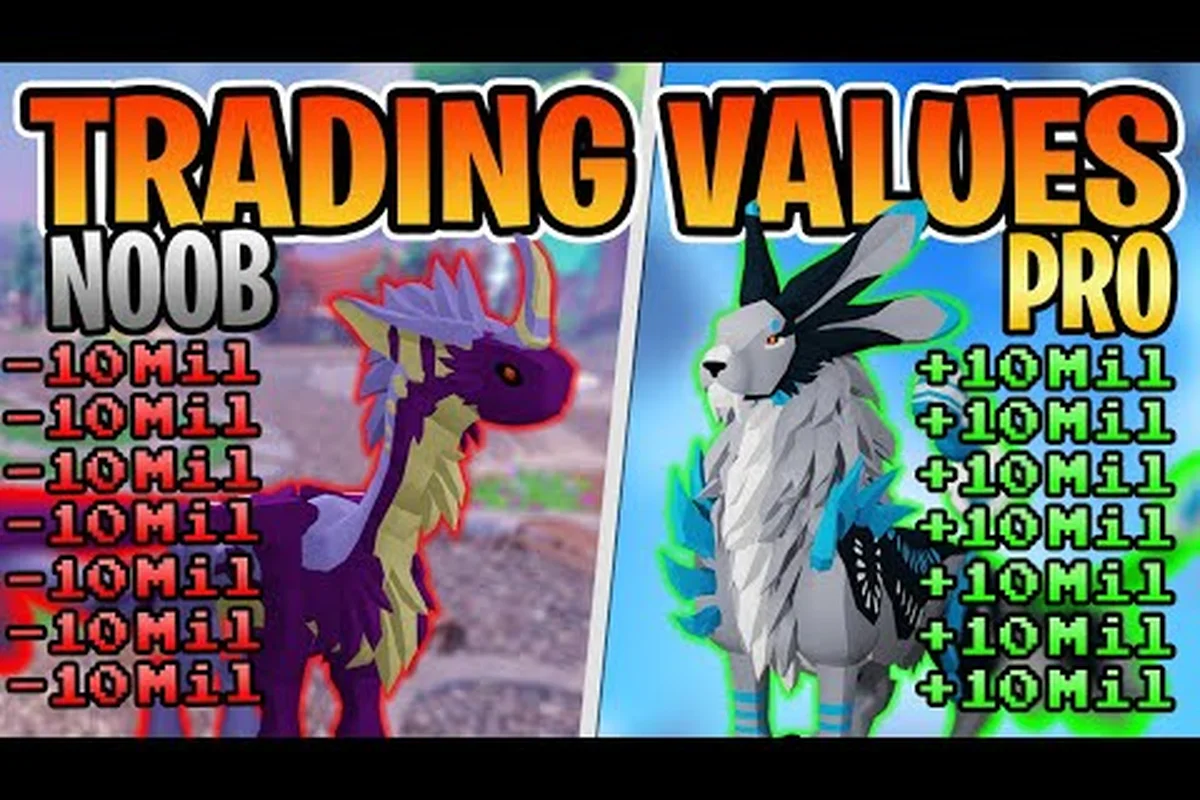
Dragon Adventures How to Trade Dragons: Tips, Scams & Safety
Trade with confidence using Dragon Adventures how to trade dragons tips that expose common scams, mistake-proof your offers, and keep your roster safe.

Dragon Adventures Trading Discord: Values, Reddit & 2026 Updates
Join the Dragon Adventures trading Discord and Reddit circles for live values, 2026 price checks, and community-verified trade advice on every legendary dragon.

Dragon Adventures How to Make Profit Trading: Flips & Etiquette
Stack Dragon Adventures how to make profit trading with trade-up flips, fair trade-down moves, and etiquette rules that close offers for max value.
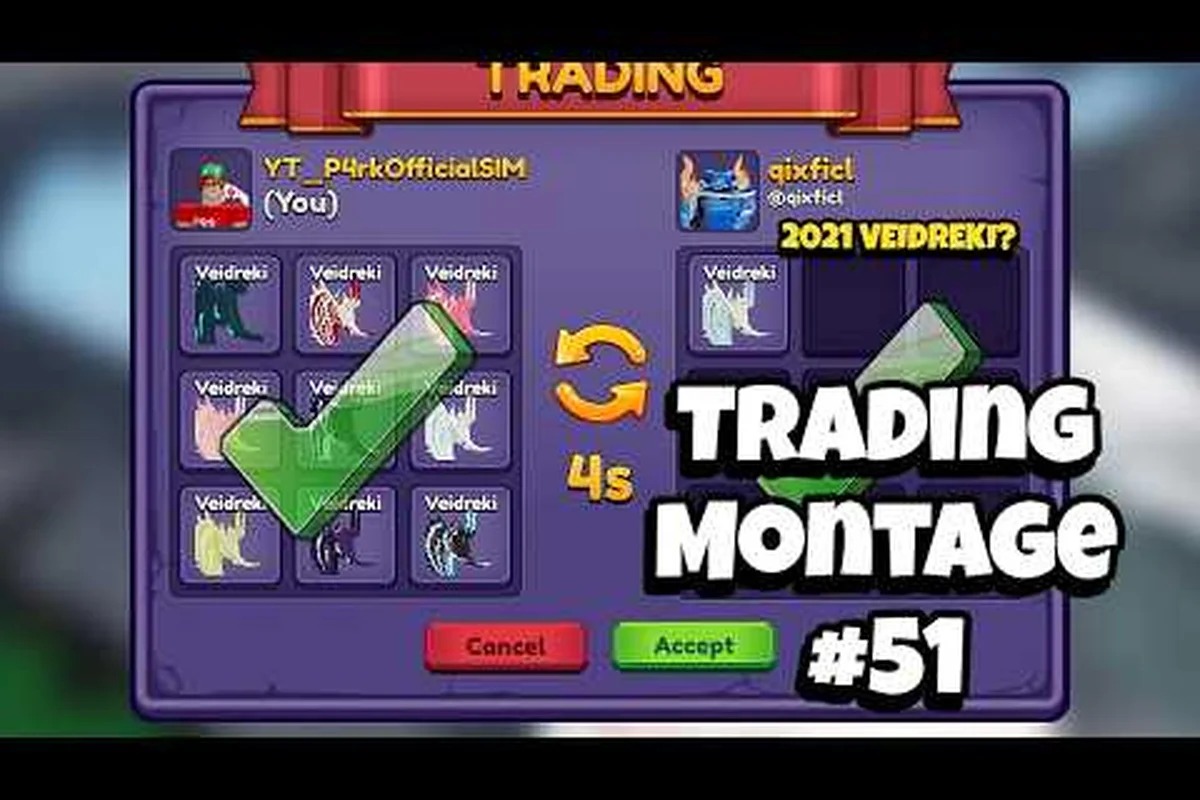
Dragon Adventures Trading Update: Potions, Eggs, Plushies & More
Track the Dragon Adventures trading update with current values for potions, eggs, accessories, and plushies so you never lowball or overpay again.

Dragon Adventures Kostragula Value: Leonelios, Celesteis & More
Check the Dragon Adventures Kostragula value alongside Leonelios, Celesteis, and Harremara prices so you never underprice or overpay on a deal.