
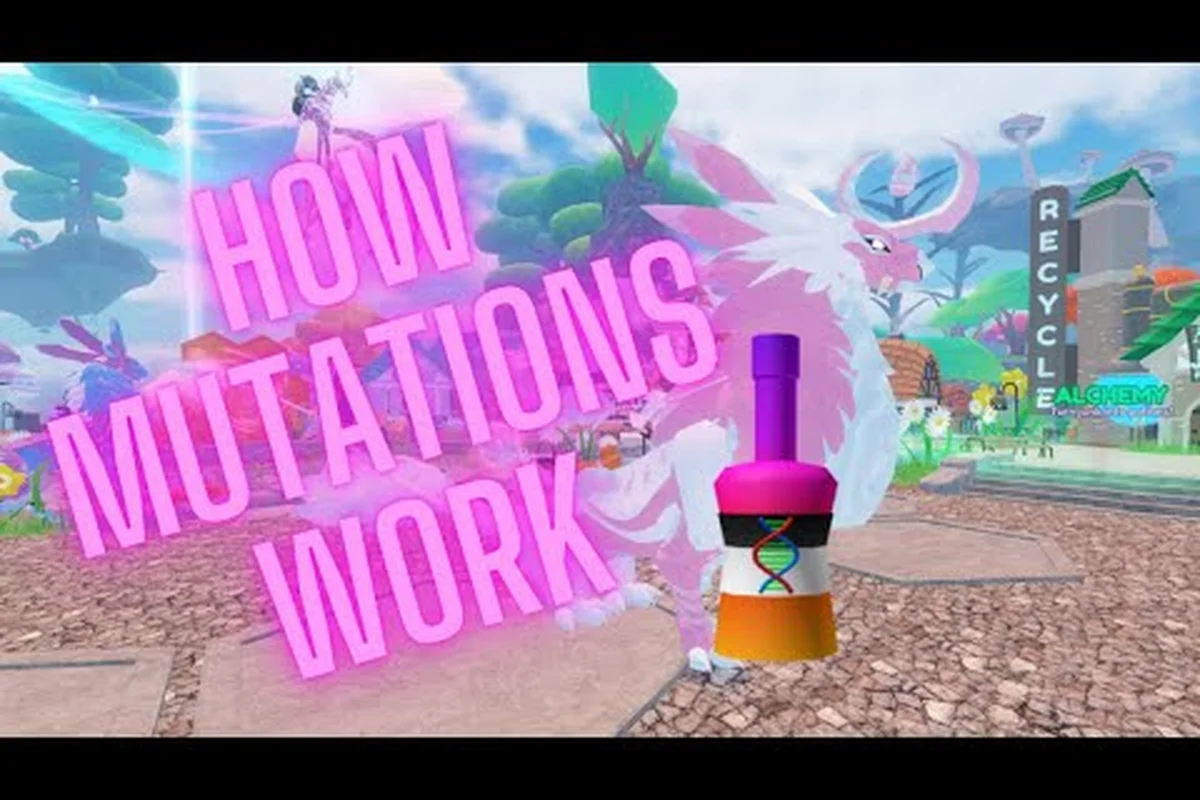
Breeding in Dragon Adventures is a layered genetics puzzle where every clutch can shift a color, lock in an element, or roll a brand-new mutation. The fastest path forward is planning pairs around the trait you actually want, because the game pulls from color, element, and gender inheritance independently, and any one of those rolls can reset hours of progress. This guide breaks down how each inheritance track works, how to stack odds through parent selection, and which pair shapes give the best returns when you breed for mutations, colors, or elements in Dragon Adventures.
Understanding the Three Inheritance Tracks in Dragon Adventures Breeding
Every breeding outcome in Dragon Adventures is the product of three independent inheritance tracks: color, element, and gender. Treating them as a single "dragon roll" is the most common mistake new breeders make, because a clutch can hit a rare color, lock the wrong element, and roll the wrong gender all at once. According to the official Dragon Adventures on Roblox game page, the world hosts over 200 unique dragon species, and each species carries its own genotype on all three tracks.
Color Inheritance and the Recessive Rule
Dragon Adventures color inheritance follows a dominance hierarchy where each dragon has a visible color and a hidden secondary color. The visible color, called the Primary, is always dominant over the hidden Secondary. A clutch can only produce the Secondary color when both parents carry it, which is why rare colors like Abyssal, Aurora, and Glacial show up so infrequently in early pairings.
-
Primary + Primary pairings → offspring stays on the Primary palette
-
Primary + Secondary pairings → offspring stays on the Primary (Secondary stays hidden)
-
Secondary + Secondary pairings → 25% chance of the Secondary color surfacing
This dominance model is confirmed by community breeding logs that track thousands of clutches, and it is the foundation of every color project, because no dragon can surface a recessive color it does not carry in its genotype. For example, if an Abyssal Secondary is hidden behind a non-Abyssal Primary, a Primary+Primary pairing will keep producing non-Abyssal offspring until a heterozygous dragon is paired with another carrier, at which point the 25% chance per egg in Secondary+Secondary pairings can finally surface the recessive hue — a key mechanic color breeders use to plan multi-generation pairings around Abyssal, Aurora, and Glacial goals.
Element Inheritance and the Hidden Allele
Element inheritance in Dragon Adventures works on a parallel dominance model. Each dragon has a visible Element and a hidden Secondary Element, and only dragons that share a secondary allele can produce hybrid element offspring. The catch, reported repeatedly by players, is that some species like Amphiptere or Cerapter carry element-locked genotypes that cannot pass down a secondary at all.
| Parent A Element | Parent B Element | Possible Offspring Elements | Notes |
|---|---|---|---|
| Fire (Primary) | Fire (Primary) | Fire | No secondary surface possible |
| Fire (Primary) | Earth (Secondary hidden) | Fire / Earth | Secondary surfaces ~50% of the time |
| Earth (Secondary hidden) | Earth (Secondary hidden) | Earth | Guaranteed surface if both carry |
| Fire (Primary) | Ice (locked) | Fire | Locked species ignore secondary |
Gender Inheritance and the 50/50 Split
Dragon Adventures how to breed for gender comes down to a flat 50/50 coin flip per offspring, independent of the parents' genders. Two females, two males, or any mix produces roughly equal male and female clutches over a large sample, although individual clutches can skew heavily. A useful rule of thumb is to expect one of each gender every two eggs, but plan lair space for three of the same when stacking attempts. The Dragon Adventures gender inheritance breakdown covers level requirements, breeding area unlocks, and how gender affects trade value.
Dragon Adventures Breeding for Colors: Pair Selection Strategy
Targeted color breeding starts with genotype scouting rather than phenotype chasing. A dragon that looks common may carry a rare secondary allele, and pairing it with another hidden carrier is the only reliable path to surface the rare color on the first or second generation. This is the core of any Dragon Adventures how to breed for colors project, because visual color alone tells you almost nothing about what a parent can actually pass down.
Step 1: Identify Carriers in Your Lair
The first move is to test potential carriers by breeding them against a Pure Common dragon of the same species. If any offspring surfaces the rare color, the test parent was a Carrier. If not, that dragon's genotype is locked and it cannot contribute that color allele to any project.
-
Breed suspected carriers against Pure Commons
-
Track each clutch outcome in a spreadsheet
-
Tag confirmed Carriers with a visible marker in your lair
-
Retire dragons that never surface a secondary across 3+ clutches
Step 2: Stack Carriers for the 25% Surface
Once you have two confirmed Carriers, pair them together. The offspring have a 25% chance of surfacing the recessive color, which is the highest achievable rate for any color project without using a Mutation Potion to bypass the inheritance roll entirely. The Dragon Adventures breeding guide has a full combo chart and calculator workflow for stacking carriers across multiple generations.
Color Project Comparison
| Project Type | Best Parent Shape | Surface Chance | Egg Cost Estimate | Time to Project |
|---|---|---|---|---|
| Common-to-Rare | Carrier + Pure Common | ~12% per egg | 8-12 eggs | 2-3 days |
| Rare-to-Rare | Carrier + Carrier | 25% per egg | 4-6 eggs | 1-2 days |
| Mutation Potion | Any eligible parent | 100% guaranteed | Potions + 1 egg | Same day |
| Event-Locked Color | Event dragon + Carrier | Variable | 6-10 eggs | 2-4 days |
Dragon Adventures How to Breed for Elements: Hybrid Pairing Strategy
Element projects require both parents to carry compatible secondary elements, because element-locked species cannot contribute a hidden allele regardless of how many clutches you produce. Dragon Adventures how to breed for elements starts with a compatibility check before any egg is laid, because a mismatched pair wastes both growth time and food resources.
Compatibility Tiers for Element Pairing
The community has mapped four compatibility tiers that determine the realistic ceiling of any element project, each built on a specific parent setup rather than pure luck. Knowing which tier your pair sits in saves dozens of wasted eggs, especially for hybrid elements like Storm, Magma, or Shadow, because the 40-50% ceiling of Tier S collapses to 0% the moment a locked element enters the pairing (Tier C). Breeds that look statistically promising on paper often stall in Tier B territory once you account for hidden carrier genes, which is why experienced breeders run pilot clutches of 4-6 eggs before committing to a full element project.
| Tier | Parent Setup | Hybrid Chance | Recommended For |
|---|---|---|---|
| Tier S | Both parents dual-element | 40-50% | New element lines |
| Tier A | One dual, one single carrier | 20-30% | Mid-stage projects |
| Tier B | Both single carriers | 10-15% | Long-term stacking |
| Tier C | Any locked element involved | 0% | Retired from projects |
Practical Element Pairing Examples
A Fire + Earth pair from two dual-element parents lands in Tier S and produces a Magma hybrid clutch with the best odds in the game. By contrast, a Fire + Ice pair where one parent is element-locked on Ice drops to Tier C and will never produce the Glacial hybrid regardless of clutch size. According to community breeding logs on the r/DragonAdventures subreddit, hybrid projects that start at Tier C almost always stall out within 10-15 eggs, while Tier S projects typically resolve within 4-6 eggs.
Dragon Adventures Breeding for Mutations: The Hidden Fourth Roll
Mutations are the rarest inheritance track in Dragon Adventures breeding, and they sit outside the color-element-gender trio. A mutation is a trait flag that can attach to any offspring regardless of its color, element, or gender, which is why the same pair can produce a normal dragon one egg and a Galaxy or Iridescent dragon the next. The Dragon Adventures mutation odds analysis tracks the current roll rates across every active mutation.
Mutation Sources and Inheritance
Mutations come from three confirmed sources, and each has a different inheritance behavior that shapes how you plan projects around them. Understanding the probability profile of each path is critical because a breeding project built around Random Roll rolls behaves very differently from one gated by a Mutation Potion brew or a Solstice Event window. Mapping your target mutation to its source first lets you size the egg pool, budget the parent slots, and time the grind against the 0.5-2% baseline odds before you commit resources.
-
Random Roll — Every egg has a baseline 0.5-2% chance of rolling a mutation, with the rate scaling slightly upward for parents that already carry a mutation flag.
-
Mutation Potion — A brewed potion applied to a parent guarantees the mutation passes to the next egg, which is the only deterministic path in the game.
-
Event Reward — Limited events like the Solstice Event in September 2026 drop event-exclusive mutations on certain offspring, as noted on the official Roblox game page.
Brewing Mutations With the Mutation Potion System
The mutation potion system lets you brew a specific mutation into a parent dragon, then breed that parent to lock the mutation onto the offspring. The YouTube guide Brewing 18 Mutation Potions in ROBLOX Dragon Adventures! by KuroLonggProductions walks through the full brewing loop, and it shows how a single round of brewing can replace dozens of random-roll eggs.
| Mutation Source | Inheritance Rate | Best Use Case | Avg Eggs to Hit |
|---|---|---|---|
| Random Roll | 0.5-2% | Long-term passive projects | 50-200 eggs |
| Mutation Potion | 100% on next egg | Guaranteed trait dragons | 1-2 eggs |
| Event Reward | Event-dependent | Limited cosmetic projects | Variable |
| Parent Carries Mutation | 5-10% surface | Stacking two mutations | 10-20 eggs |
Planning a Multi-Track Project: Color, Element, and Mutation in One Clutch
The most ambitious breeders in Dragon Adventures run multi-track projects that target color, element, gender, and mutation in a single breeding line. The math gets harsh fast, because each track multiplies independently, but the reward is a dragon that hits on all four inheritance tracks at once, which is the rarest outcome in the game.
Multi-Track Probability Math
A clutch that targets a 25% color surface, a 30% element surface, a 50% gender target, and a 2% mutation roll has a combined perfect-outcome chance of 0.075% per egg, or roughly 1 in 1,333 eggs. The realistic workaround is to lock the easy tracks first and roll the hard track last, which is the core insight behind every efficient breeding project.
-
Lock color first with a Carrier + Carrier pair
-
Lock element next by breeding into a dual-element Carrier line
-
Lock gender through volume (50/50, so any 2-egg clutch averages one of each)
-
Roll mutation last using a Mutation Potion to bypass the 2% random chance
Recommended Project Pacing
A standard 4-track project takes 2-4 weeks of active breeding, depending on how much you rely on Mutation Potions. The Dragon Adventures breeding traits deep dive shows how to chain traits together once the color and element are already locked. According to the Dragon Adventures Discord community, players who pace projects in 50-egg batches and audit carrier status between batches finish multi-track projects roughly 30% faster than players who grind continuously without re-checking genotypes.
Common Breeding Mistakes and How to Avoid Them
Most failed Dragon Adventures breeding projects come from a small set of recurring mistakes that are easy to fix once you see them. The biggest one is treating a dragon's visible color as proof of its genotype, which leads breeders to pair two visible rare-color dragons and still get a common-color clutch because neither parent actually carries the rare allele on its secondary track.
-
Assuming visible = genotype — Always test carriers with a Pure Common before trusting a visual color
-
Pairing locked parents — Element-locked species cannot pass a secondary regardless of clutch size
-
Ignoring gender — A perfect clutch with the wrong gender can tank the trade value of the offspring
-
Skipping Mutation Potions — Random rolling is 50-200x slower than brewing the mutation directly
-
Stacking too many tracks — Three tracks is manageable, four tracks rarely resolves without potion help
-
Forgetting event windows — Event-exclusive mutations vanish after the event ends, so timing matters
Frequently Asked Questions
What is the fastest way to start Dragon Adventures breeding for mutations?
Brew a Mutation Potion for the specific mutation you want, apply it to a parent, and breed that parent on the next egg for a 100% pass rate. This bypasses the 0.5-2% random roll entirely and is the only deterministic mutation path in the game, which is why experienced breeders always stock at least 3-5 potions before starting a mutation project.
How does Dragon Adventures color inheritance actually work on a recessive pair?
When both parents carry the same hidden Secondary color, each offspring has a 25% chance of surfacing that recessive color. The remaining 75% will keep one of the dominant Primary colors visible while still carrying the recessive allele internally, so even a failed clutch produces more carriers for the next generation.
Can two element-locked dragons ever produce a hybrid element offspring?
No. Element-locked species ignore the secondary element slot entirely, so a pair that includes even one locked parent cannot produce a hybrid element clutch regardless of how many eggs you breed. Confirm both parents are dual-element compatible before committing to a hybrid element project, otherwise you will burn food and growth time on guaranteed-fail clutches.
Does Dragon Adventures how to breed for gender involve any parent influence?
Gender is a flat 50/50 roll per egg with no parent influence at all. Two females, two males, or any mix produces roughly equal male and female offspring over a large sample, which is why most breeders plan lair space for at least 2-3 eggs per clutch when gender matters for a project.
Are Mutation Potion offspring able to pass the mutation to their own offspring?
Yes, once a mutation is locked onto a dragon, it behaves like a permanent trait flag and passes to roughly 5-10% of its own offspring through normal breeding. Stacking two mutations on a single parent requires a second potion and another breeding cycle, which is how long-term mutation lines are built across multiple generations.